

Water-related damage is a ruinous event that can leave property owners feeling distressed and anxious about the fate of their home. Whether caused by a broken pipe, a roof leak, or bad weather, the consequences of water intrusion can create a multitude of issues. However, knowing how to effectively manage and restore your property after such an incident can transform a moment of disaster into a journey of restoration.
In this thorough guide, we will discuss the essential steps to take immediately after water damage occurs, the common causes of these undesirable events, and the necessity of expert restoration services. From identifying hidden water issues to understanding how water impacts your property's structure, we aim to arm you with the information needed to protect your investment and restore your living space. With the right approach, you can manage the intricacies of water damage restoration and emerge with a renewed sense of security and security in your home.
Immediate Actions After Water Infiltration
The initial step upon discovering water damage in your home is to prioritize safety. Disconnect the electricity in damaged areas to prevent electrical hazards. If the water level is elevated or you suspect a structural issue, it’s crucial to keep yourself and your family at a safe distance until experts assess the condition. Do not try to wade through standing water as this poses a risk of electric shock and potential harm.
Next, stop the source of the water if possible. This could require turning off the main water supply or repairing a leaking pipe. If the water is originating from an external source, such as a roof leak or heavy rainfall, try to divert the water away from your home. Implementing these immediate actions can significantly reduce the extent of damage and lower the chances of mold growth and other issues.
Once you have guaranteed safety and stopped the water source, the next step is to record the damage. Take photos and videos of the affected areas and belongings. This documentation will be vital for insurance claims and in the recovery process. Begin removing any personal items from the water-logged area, especially photographs, electronics, and important documents, if it is secure to do so. Prompt action is necessary to begin the restoration process effectively.
Grasping Water Damage Restoration
Restoration of water damage is a vital process that assists homeowners deal with and repair the consequences of water intrusion in their properties. It involves several phases, including inspection, extraction, drying, and restoration. Immediately after water damage occurs, it is essential to take swift action to alleviate further problems, such as mold growth or damage to the structure. Knowing what to do right away following water damage can make a substantial effect in the success of the restoration process.
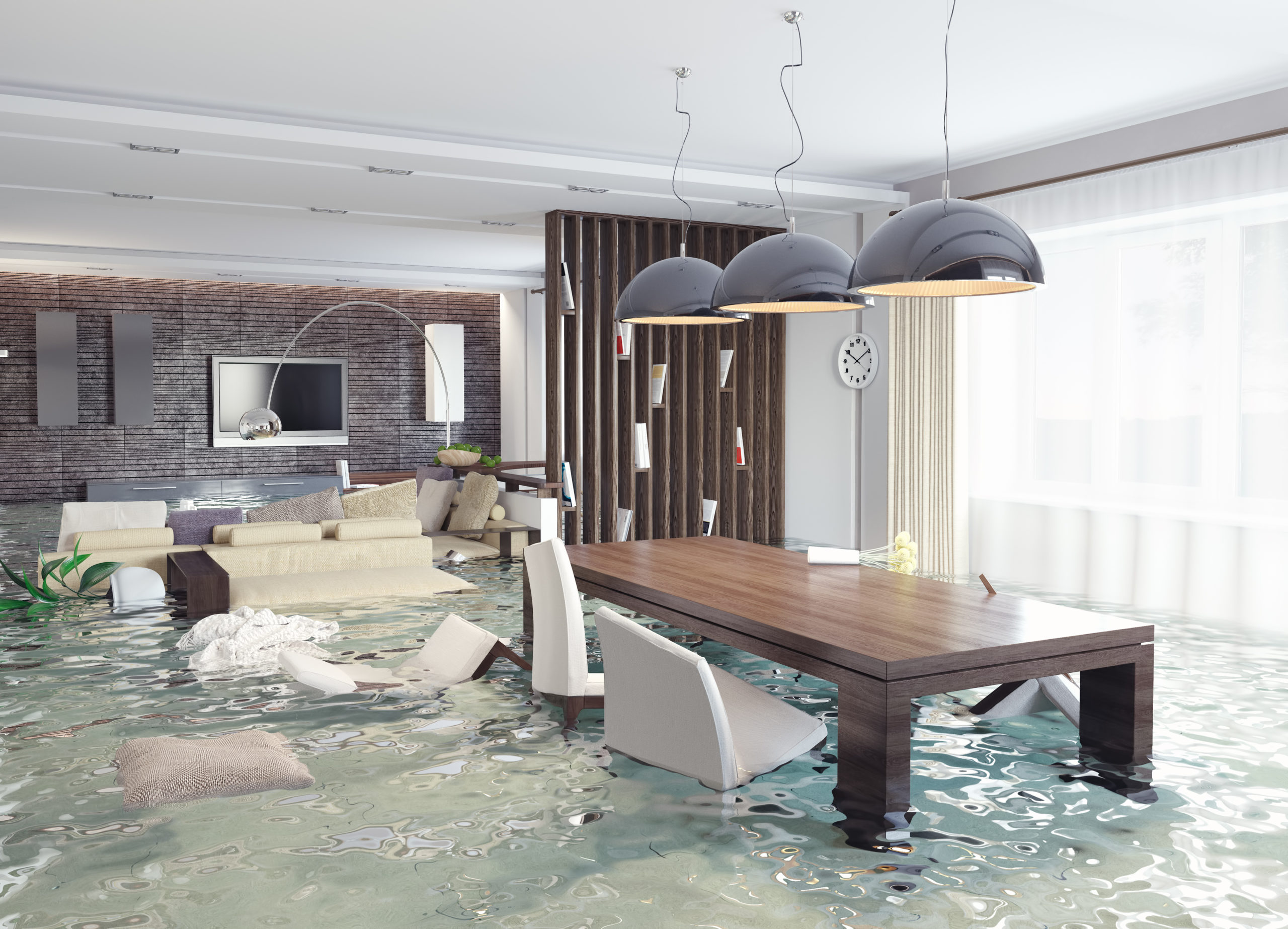
The process of restoration typically commences with a thorough assessment conducted by specialists who comprehend the nuances of water-related damage. They assess the extent of the damage, find hidden areas that may have been affected, and develop a tailored plan for restoration. This stage is essential for efficient water damage restoration, as it lays the basis for the next stages, including the removal of accumulated water and drying out affected areas and materials.
Once the initial assessment is complete, restoration crews use specialized gear for water extraction and dehumidification. This part of the process is critical, as fast water damage cleanup helps prevent secondary issues such as mold growth and deterioration of materials. Understanding the significance of swift action and professional expertise in the restoration process confirms that homeowners can efficiently navigate the challenges posed by damage from water and return their homes to a stable and livable condition.
Avoiding Future H2O Damage
To protect your house from future water damage, routine maintenance and checks are essential. Start by checking for fissures in plumbing appliances, devices, and exposed tubing. Watch your ceiling for traces of damage, such as absent shingles or degraded seals, as these can cause drips during heavy rainfall. Additionally, maintain your gutters regularly to guarantee sufficient drainage and avoid overflow that could damage your home's foundation.
Another successful strategy is to allocate resources in water leak detection devices and automated home systems. These devices can alert you to fissures before they evolve into serious issues, allowing for swift response. Furthermore, consider placing submersible pumps in basements and underfloors susceptible to flooding, as they can assist lessen water storage during strong rains or pipe malfunctions.
It’s also crucial to teach home members about the proper approaches to handle water-related situations. Ensure https://3sraz.com/ knows where the main H2O shut-off tap is located and how to turn it off swiftly in case of a broken line or serious leak. Fostering knowledge and preparedness can greatly reduce the potential for H2O destruction and shield your house in the future.