

Crafting an gorgeous outdoor space represents an exciting journey that combines artistry with the natural world. Regardless of whether you have an expansive ample garden and a quaint front yard, grasping the significance of vegetation for yard design has the potential to utterly transform the look of your environment. From lively plants to rich foliage plus attention-grabbing hardscapes, every element adds to your visual appeal and usability in your garden. As we explore various yard design ideas, you will find out how to choose knowledgeable plant choices that show your personal taste which also enhance the environment.
In this article, we will explore a range of aspects related to yard design, providing inspiration to all homeowner. You will discover regarding the benefits of using seasonal plants to ensure year-long beauty, the significance of picking indigenous flora for eco-friendliness, and the art of mixing hardscapes with softscapes. With actionable suggestions along with cutting-edge ideas, our goal is to help you create your breathtaking exterior retreat designed for your tastes. Prepare to enrich your yard as well as elevate your experience outside.
Greatest Garden Design Concepts
One trendy idea for landscape design is utilizing indigenous flora into your landscape. Local species are tailored to the local climate and earth, making them less complicated to care for and more resilient against insects and illnesses. They can also support local wildlife and encourage ecological diversity. By creating a garden filled with indigenous vegetation, you can additionally enhance the visual charm of your garden but also promote a healthy environment.
Another successful strategy is to incorporate structural components into your layout. Components like rock trails, patios, and landform barriers can add structure and appeal to your outdoor area. These hardscape components provide usable areas for hosting guests, or just enjoying. When matched with plant components like flowers, hardscaping can create a harmonious and welcoming environment that enhances your time spent outdoors.
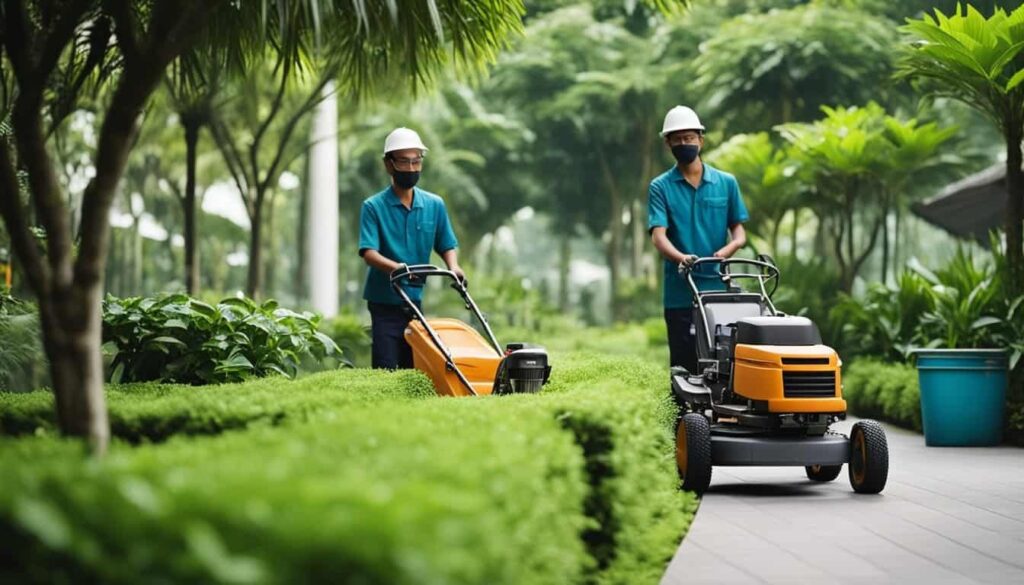
Lastly, consider designing with hue in mind. The incorporation of bright blossoms, greenery, and intentional plant placement can bring vitality to your landscape. Selecting flora that blossom at various moments of the year ensures that your landscape offers visual appeal throughout the year. By blending colors and textures, you can create a stunning backdrop that enhances your residence and displays your individual taste.
Transforming Your Outdoor Space
To enhance your outdoor space, begin by identifying the focal points within your yard. Think about adding elements that draw the eye, such as a lively flower bed, an elegant water feature, or distinctive outdoor art. These elements should showcase your personal style and complement your home’s architecture, creating a harmonious look that boosts overall appeal. Keep in mind to coordinate these highlights with adjacent greenery to maintain an welcoming atmosphere.
Including diverse plant choices is essential for creating a beautiful landscape design. Opt for plants that grow well in your neighborhood climate and soil conditions to secure sustainable aesthetics and low maintenance. Combining textures, heights, and colors can add depth to your yard; for example, combining tall ornamental grasses with colorful perennials creates an inviting contrast. Don't forget to consider seasonal interest, choosing plants that offer blossoms and foliage changes throughout the year.
In conclusion, integrate functional elements that promote outdoor living. Create inviting seating areas using comfortable furniture, shade structures, or hardscaping features like patios and pathways. Adding lighting can improve your design further, boosting the ambiance and increasing the usability of your outdoor space into the evening. By deliberately planning these aspects, you can create a sanctuary that invites relaxation and social gatherings, making the most of your landscape design.
Choosing the Right Plants
When picking plants for your landscape design, it is crucial to take into account the specific conditions of your yard. Elements such as light exposure, soil composition, and humidity will greatly determine which plants succeed in your environment. Assess your yard throughout the day to determine areas of full sun, partial shade, and complete shade, and select plants that are appropriate for each area. This meticulous assessment will assist you craft a colorful and healthy landscape.
In alongside environmental elements, consider the overall look and theme of your outdoor space. Varied species contribute multiple textures, hues, and seasonal interests to your design, giving you to attain a harmonious look. For a contemporary landscape, choose sleek and understated plant selections, while conventional designs might find value in vibrant, blooming perennials and aesthetic shrubs. Invest effort in explore the ideal plants for each design, confirming they match with your goals.
Finally, think about adding native plants into your design. Indigenous species are well-suited to the regional environment and soil types, making them easier to maintain and more beneficial for local wildlife. These species often need less irrigation and nutrients, contributing to a eco-friendly garden. By picking Grounds Maintenance of plants, you can create a stunning and thriving landscape that enhances your yard for decades to follow.