

AI has long enchanted the attention of science fiction enthusiasts, depicting a world where robots consider, acquire skills, and interact almost like humans. Today, we are witnessing a staggering transformation of this concept with the rise of AI agents. These self-operating software not only perform tasks independently but also adjust and evolve from their encounters, leading to a revolutionary impact across multiple sectors. From client support to healthcare, AI agents are redefining our commercial environment and daily tasks in ways we once only thought possible.
In this write-up, we will examine the captivating world of AI agents, digging into what they are, how they vary from traditional AI virtual assistants, and their potential to transform contemporary business methods. Whether Nenos Software are a novice looking to understand the fundamentals or a manager seeking to utilize the potential of AI agents for effectiveness and productivity, this detailed guide will provide informative resources and useful advice. Come with us as we explore the path of AI agents and their growing relevance in our careers and beyond.
Comprehending AI Agents
AI automated systems are computer programs that utilize artificial intelligence to execute tasks autonomously, often replicating human behaviors. They can be crafted to comprehend instructions, extract knowledge from data, and make decisions with little human intervention, enabling them to work across a diverse set of domains. These agents range from simple rule-based systems to sophisticated models that use machine learning, allowing them to adjust and improve over time.
In the current rapidly changing technological landscape, AI agents are having significant impacts in various industries. From automating mundane tasks to boosting customer interactions, they help businesses enhance efficiency and productivity. Businesses are capitalizing on these advanced tools to improve operations, ultimately resulting in cost savings and better service delivery. The rise of AI agents marks a move towards smarter, more agile business environments.
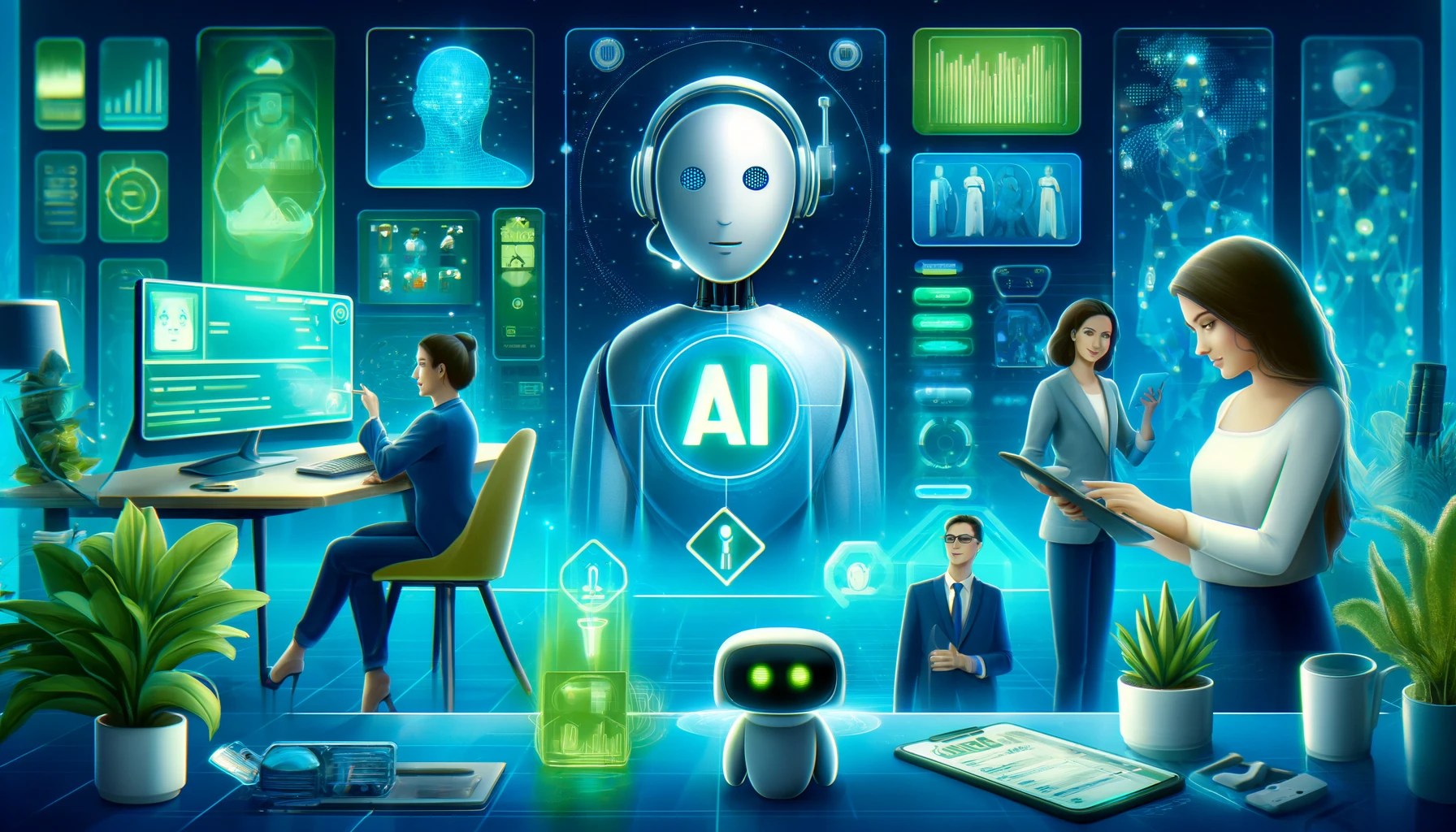
Comprehending the basics of AI agents is crucial for businesses looking to incorporate these technologies. By comprehending how these agents function and the benefits they provide, companies can strategically deploy them to address specific requirements. As industries continue to evolve, the integration of AI agents will play a crucial role in defining the future of work, propelling innovation and operational excellence across fields.
AI Systems in Commerce
AI systems are becoming vital tools for organizations looking to enhance performance and efficiency. By streamlining repetitive tasks such as data processing, planning, and customer queries, organizations can free up valuable human resources for strategic activities. This allows workers to concentrate on more advanced problem-solving and innovation, rather than being overwhelmed in tedious workloads. As businesses increasingly integrate digital transformation, AI bots serve as drivers for simplifying operations and boosting overall performance.
The incorporation of Artificial Intelligence systems into organizational operations also enables enhanced decision-making. With their ability to process vast amounts of data quickly and accurately, these bots can detect trends, provide insights, and advise actions based on real-time analysis. This ability is particularly beneficial in sectors like finance and marketing, where timely information can lead to superior outcomes and higher profits. Moreover, organizations leveraging AI agents can respond more effectively to market changes and client demands, enabling them to keep a competitive edge.
Client support is another area where Artificial Intelligence agents make a substantial impact. With the ability to address inquiries around the clock, these agents improve response times and client satisfaction. They can provide tailored interactions based on previous customer behavior and preferences, enhancing the overall experience. As businesses continue to refine their client interaction approaches, Artificial Intelligence systems will be key in creating smooth and effective support systems that meet and exceed customer expectations.
Developing and Implementing AI Agents
Creating an AI agent commences with identifying the issue it is designed to solve. Businesses should commence by assembling needs and grasping the particular demands of their organization processes. This comprises identifying tasks that can be streamlined, the datasets needed for training, and the expected results. Partnering with key players can confirm that the final AI agent matches well with organizational goals and end-user needs while factoring in any barriers or resources on hand.
Once the targets are established, the following phase is selecting the appropriate technology platform. Numerous systems supply instruments and platforms critical for creating AI agents, ranging from open-source libraries to cloud-based solutions. Each alternative may present special capabilities suited for particular applications, such as NLP or ML functions. It is crucial to assess these resources based on standards like growth potential, facility of incorporation, and support for multi-agent systems, which can enhance the agent's functionality by permitting several agents to work collaboratively.
Deploying AI agents requires deploying them in a controlled context where they can be assessed and improved. Regular supervision and revisiting are crucial to enhancing their efficacy, confirming they satisfy the objectives previously set. Additionally, providing training for staff who will interact with these agents can ease better adoption into existing workflows and maximize the benefits gained from AI implementation. Ultimately, the priority should be on creating an AI agent that not only enhances efficiency but also brings advantage to the business as a whole.