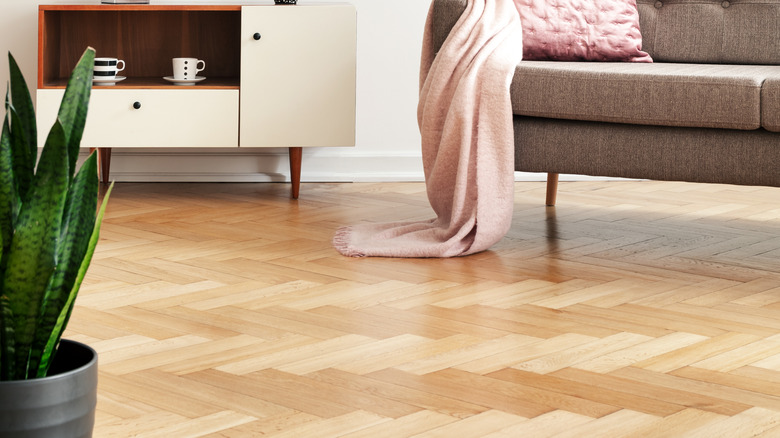
Regarding enhancing the beauty and value of your home, a handful of renovations can match the enduring beauty of wooden flooring. Not only does it offer a classic aesthetic that suits a variety of interior styles, but it also serves as a durable and long-lasting investment. As homeowners increasingly value both comfort and elegance, wooden flooring has emerged as a top choice for those wanting to elevate their living spaces while gaining potential financial benefits.
Choosing the appropriate type of wooden floor can seem daunting with the myriad of selections available today. However, understanding the benefits of installation, maintenance, and designs can make easier the decision-making process. Whether it be the discussion of hardwood and engineered wood to the latest trends and care tips, this article will guide you through every aspect of wooden flooring, helping you make informed choices that will not only enhance your home but also raise its overall value.
Selecting the Ideal Timber Floor
Selecting the right timber floor for your house can significantly impact not only aesthetic beauty and practicality. The first step is to considering the type of wood which fits the lifestyle as well as home decor. Various woods offer different appearance features, colors, and grain patterns. For example, oak and maple wood is popular due to its durability and classic appearance, while exotic woods such as teak or mahogany can provide a distinctive touch in your space. Consider into consideration the current decor plus ambiance of your home when making the choice.
A further important aspect to think about is the kind of wooden floor: solid wood or engineered wood. Solid wood flooring is made from solid pieces of timber which is known due to its longevity and ability to be resurfaced many times. Composite wood, on the other hand, consists of a layered veneer of genuine wood glued over a base of plywood and high-density fiberboard. This kind of flooring may be better stable during temperature fluctuations and may prove to be a suitable choice for basements and areas with high humidity levels. Make sure to assess the specific advantages of each type based on the environment plus intended use.
Finally, consider the type of finish of the new wooden floors. The right finish can not only improve the natural beauty of the wood but additionally offer safeguards against wear and tear, moisture, as well as stains. Choices range from matte to glossy finishes, with each providing a unique look and level of maintenance. Talk about the lifestyle with a flooring professional in order to choose a finish which balances beauty plus durability successfully, making sure your flooring expenditure is worthwhile for both charm and longevity.
Advantages and Value of Wooden Flooring
Wooden flooring is famous for its classic appeal and visual flexibility, readily enhancing the appearance of every home. With a range of designs and finishes available, timber floors can suit both traditional and modern decor. The natural coziness of wood creates a inviting atmosphere, making spaces to feel cozy and welcoming. Additionally, wooden flooring can serve as a focal point in a room, adding personality through its distinctive grain patterns and shades, thus elevating the overall aesthetic of the home.
Another significant benefit of timber flooring is its longevity and resilience. When well maintained, timber floors can last for decades, making them a wise financial choice. Unlike other flooring options that may deteriorate or need frequent upgrades, high-quality hardwood can endure heavy foot traffic and still retain its beauty. Furthermore, the potential for refinishing enables homeowners to rejuvenate the surface without the need for full replacement, ensuring that the flooring remains a valuable asset over time.
In addition to aesthetics and durability, wooden flooring can significantly increase a home’s market value. Many buyers prefer homes with timber floors due to their attractiveness and strength, often associating them with a superior residential environment. Studies show that homes with timber flooring often move faster and at greater prices compared to those with rug or tile. This investment not only enhances everyday life but also yields returns significantly when it comes time to sell, making wooden flooring a savvy choice for every homeowner looking to add value to their property.
Maintenance and Maintenance for Wooden Floors
To maintain your wooden floors in top condition, consistent cleaning is necessary. Begin by sweeping or using a vacuum with a floor attachment to eliminate dust and debris. For deeper cleaning, use a damp mop with a cleaning solution made for wooden floors. It is vital to avoid excessive water, as standing moisture can cause warping and damage to the wood. Make sure to thoroughly wring the mop thoroughly before use to ensure little moisture is put to the surface.
Another important aspect of care is protecting your wooden floors from scratches and dents. Install protective pads under furniture legs and refrain from wearing shoes with hard or sharp soles indoors. Get more information can also assist safeguard high-traffic areas from wear. Additionally, be aware of the types of cleaning products employed; harsh chemical cleaners can strip the finish, so opt for gentle, wood-safe cleaners in place of.
Periodic maintenance should also be part of your care routine. In the winter months, the air can become very dry, possibly lead to cracks in the wood. Using a humidifier can aid in maintaining optimal moisture levels in your home. During the summer, ensure that sunlight exposure does not result in discoloration; consider using blinds or curtains to protect floors from direct sunlight. Frequent inspections for signs of damage or wear will help you to deal with issues early and maintain your floors in great condition for years to come.