

In recent years, aerosol art has emerged as a popular choice for artists, do-it-yourselfers, and experts alike. Its ability to deliver a smooth, polished look makes it perfect for a diverse array of projects, from furniture renovations to industrial projects. Nonetheless, as we are increasingly mindful of our ecological footprint, the focus is now on sustainable alternatives within this vibrant art form. Sustainable spray painting techniques diminish harmful emissions but also encourage the use of environmentally safe products, making it simpler for artists to work responsibly.
Comprehending the nuances of spraying can enhance your skills and achievements, whether you’re a novice or a veteran. With the appropriate techniques, tools, and insight into effective methods, achieving that flawless spray paint finish is a gratifying experience. From correctly preparing surfaces to picking the most suitable spray paint, there are numerous considerations to consider to guarantee a satisfactory project. In this write-up, we will explore eco-friendly choices, essential tips, and new developments that are shaping the next generation of spray painting, catering to both passionate DIYers and experts dedicated to achieving high-quality results in an eco-friendly way.
Sustainable Spray Paint Techniques
Sustainable spray painting techniques concentrate on minimizing eco-footprint to achieve beautiful results. A highly effective method is using low volatile organic compound (volatile organic compound) spray paints. Such products release reduced harmful chemicals into the atmosphere, making them better for both the planet and the user using them. By selecting low-VOC choices, you contribute to improved air quality and minimize health risks connected to traditional spray painting.
Additionally, another sustainable approach is to employ aqueous spray paints. Such paints both have lesser VOC content but also make cleanup simpler, needing only water and soap instead of harsh solvents. These water-based paints are flexible and can be used on various surfaces, including wood and metal, providing superior coverage and durability. Selecting these types of finishes helps reduce your impact on the environment and maintains a high standard of finish.
Moreover, embracing eco-friendly practices during the spray painting process can boost sustainability. This includes proper preparation of surfaces to ensure better adhesion and longevity of the paint, which minimizes the need for frequent repainting. Utilizing reusable spray painting equipment, such as high-quality spray guns and nozzles, also minimizes waste. By embracing these eco-conscious techniques, you make a remarkable visual impact and preserving the environment. spintax ### Key Equipment and Advice
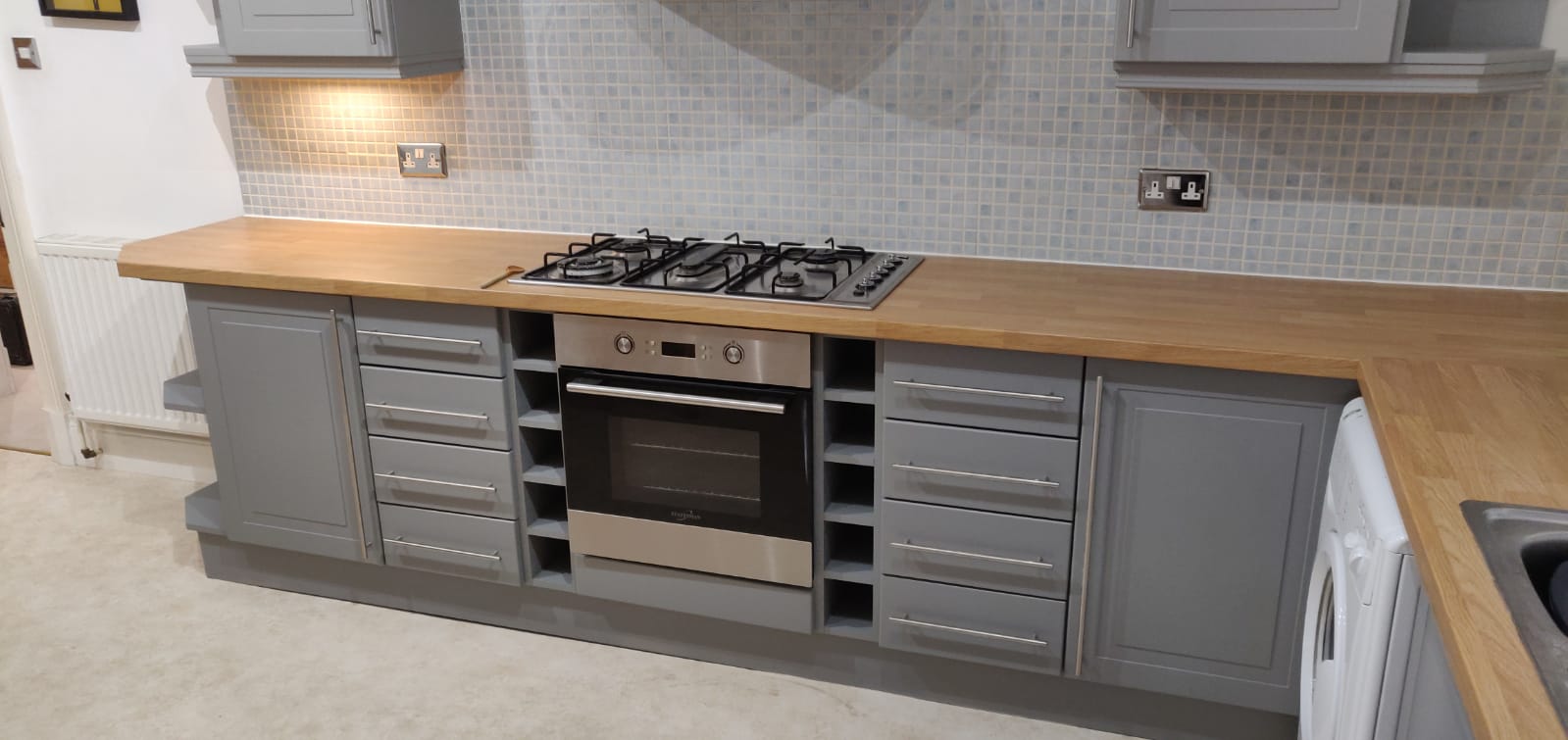
For achieve a effective spray painting project, having the right tools is vital. Begin with top-notch spray paint suited to your exact surface, regardless of whether it is metal, wood, or plastic. Kitchen Spray Painting Allerton Bywater West Yorkshire , if you choose one, will provide a consistent finish. Be sure to have various nozzles handy since diverse sizes can create different effects and coverage. A drop cloth or protective sheeting is necessary to shield surrounding areas from overspray, ensuring a clean work environment.
Prior to start spraying, getting ready is important. Clean and sand surfaces to ensure the paint sticks well. Applying Kitchen Respraying And Spraying Kippax West Yorkshire can also improve the final finish and durability of the paint job. Use painter's tape to mask off areas you intend to keep clear to paint, which stops messy edges and gives a professional look. Additionally, it is important to wear protective gear like masks and goggles to keep yourself secure from fumes and particles.
As for technique, repetition leads to mastery. Test your spray technique on scrap material to fine-tune the distance and speed for an consistent coat. Hold the can or spray gun at a uniform angle and distance from the surface to stop drips and achieve a smooth finish. Be aware to apply a few thin coats rather than one thick coat to get the best results. Following these important tools and tips will guide you in executing neat, successful spray painting projects.
Frequent Errors and Corrections
One typical misstep in spray painting is not adequately preparing the substrate before applying paint. This can lead to weak bonding and uneven finishes. To avoid this, always sanitize the surface thoroughly to remove dust, oil, or old paint. Smoothing rough spots and using a primer suited for the substrate can significantly improve the final result, ensuring the paint adheres well and lasts longer.
Another frequent issue is improper spray technique, which often results in runs and runs. Beginners may spray too near to the substrate or apply too thick a coat at once, causing less than desirable results. To mitigate this, hold the can at an appropriate distance, usually about 15 to 30 centimeters away, and apply several thin coats instead of one thick layer. This approach allows for improved dexterity and a smoother finish.
Finally, neglecting safety precautions can lead to health risks and environmental concerns. Fumes from spray paint can be toxic, and without proper ventilation, the workspace can become unsafe. Always use a mask, goggles, and protective clothing, and work in a properly ventilated area. Organizing your workspace with safety in mind not only protects you but also enhances the overall painting experience.