

AC plays a essential role in keeping our homes pleasant, particularly during the scorching summer months. As energy costs continue to rise, wise homeowners are more and more looking for methods to reduce expenses while enjoying the advantages of a cool living space. Proper air conditioning installation is key to achieving optimal performance and sustainable savings. Whether you're upgrading an old unit or installing a new unit in a new home, grasping the best practices and making wise choices can significantly impact your energy bills and general comfort.
In this manual, we will explore key techniques and factors for air conditioning installation. From recognizing the signs that indicate it's time for a new system to choosing the appropriate type of air conditioner for your specific needs, we will cover all you need to know. Great post to read will also discover about the importance of professional installation, common mistakes to steer clear of, and how to get ready your home before installation day. By adhering to these guidelines, you can guarantee that your air conditioning system operates at maximum efficiency, providing you with a refreshing retreat while keeping energy costs in check.
Determining the Appropriate Air Conditioner
Picking the best air conditioner for your house is essential for guaranteeing convenience and power effectiveness. Begin by analyzing your individual cooling needs based on the area of your room, your local climate, and the utilization patterns of your household. For larger rooms, a ducted air conditioning system may be more suitable, while compact areas might benefit from a split-type or casement unit. Understanding the cooling capacity required, indicated in BTUs (British Thermal Units), is essential to prevent inadequate or expanding your system, which can cause problems and higher electricity expenses.
An additional important aspect to consider when picking an air conditioner is the energy effectiveness score, often represented by SEER (Seasonal Energy Efficiency Ratio) scores. A better SEER measurement means superior electricity efficiency, which leads to minimized service costs over the lifetime of the system. As you explore options, look for characteristics such as multi-speed technology, intelligent thermostats, and customizable settings, which can increase energy conservation and ease in your house.
Finally, it is advantageous to consider the sound levels of multiple air conditioning units, especially if you are reactive to sound. Some systems operate more quietly than others, which can significantly influence your home environment. Look into user feedback and request recommendations to find reliable models. Ultimately, dedicating time in selecting the best air conditioner will guarantee that you attain optimal cooling performance and power conservation for a long time to follow.
Installation Procedure Summary
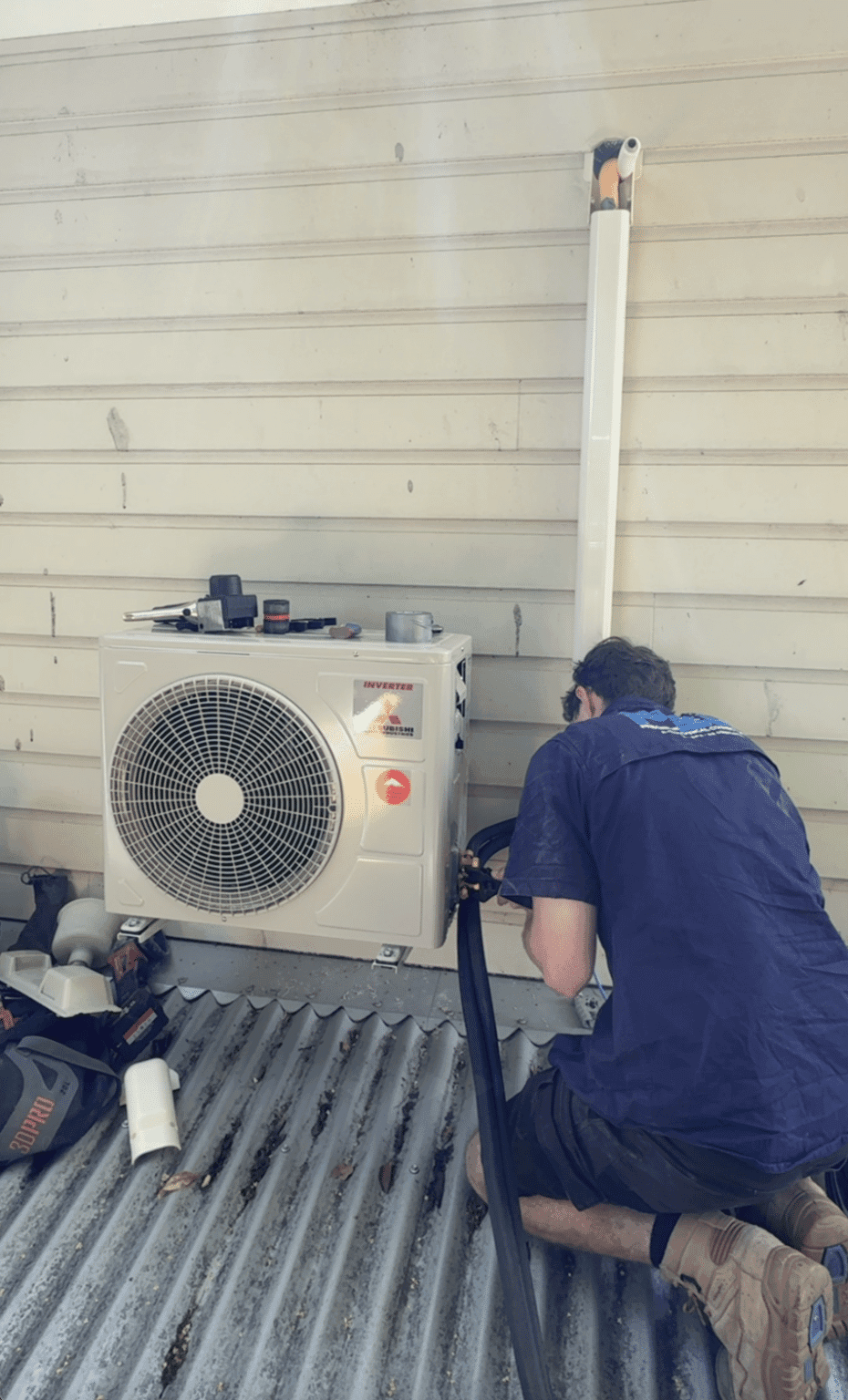
The AC installation process starts with a comprehensive assessment of your home and your specific climate control needs. A professional installer will assess the size of your space, insulation quality, and existing ductwork if needed. This initial assessment is crucial to determining the right kind and size of cooling system for optimal performance and functionality. By understanding your home's distinct characteristics, the installer can recommend a system that matches with your needs and budget.
Once the appropriate system is selected, the installation phase can begin. This includes several important steps, such as setting up the site by guaranteeing accessibility to electricity and removing any barriers that may hinder the setup process. If you're choosing for traditional air conditioning, technicians will focus on the ductwork, while mini-split systems require less invasive installation due to their compact nature. Throughout this stage, the team will focus on correct placement of the indoor and outdoor units, ensuring that all components integrate seamlessly into your house's design.
After the actual installation is finished, the system will need to be adequately checked and calibrated. This last step guarantees that the air cooling system operates effectively and correctly. The installer will inspect for any leaks, verify that the system is cooling as desired, and make any necessary modifications to optimize performance. Homeowners are encouraged to ask questions during this stage to completely grasp how to operate and care for their new system.
Pricing and Payment Plans
The cost of air conditioning installation can differ significantly depending on several factors, including the type of system you select, your home's dimensions, and the complexity of the installation process. On average, homeowners can anticipate spending between $3,000 and $12,000 for a brand-new air conditioning system, including setup. Central air systems tend to be more expensive than mini-split systems, but they are also better suited for big houses. It's essential to collect multiple quotes from various providers to ensure you receive the best value for your particular requirements.
Payment options are open for homeowners who may not be able to cover the installation costs upfront. Many heating and cooling companies offer their financing options, allowing you to make monthly payments over time. Additionally, some financial institutions provide personal loans specifically for home improvement projects, including air conditioning installation. Seek out financing with competitive interest rates and no hidden fees to ensure you can handle your payments easily.
When considering the overall expense, it's important to factor in the long-term savings from energy-efficient options can offer. Larger upfront costs in systems with higher SEER ratings can lead to significantly lower utility bills over the lifespan of the system. Utilizing any existing rebates and tax credits for energy-efficient installations can also help reduce the overall cost, making your purchase in air conditioning both wise and budget-friendly.