

As get older and accumulate mileage, one of the most frequent issues they encounter is the buildup of charcoal deposits inside the engine. Such a situation often leads to lowered performance, reduced fuel efficiency, and sometimes more serious mechanical problems. https://dorsettuningremaps.uk/best-engine-carbon-cleaning-dorset/ has become as an important service for maintaining the health of your car, promising to restore optimal performance and longevity. If you are a daily commuter or a weekend driver, understanding the importance of this process could make a significant difference in your vehicle's operation.
In this guide, we will delve into what engine carbon cleaning involves, the signs that indicate your engine is in dire need of a clean, and the several methods available. From the benefits of hydrogen cleaning to advice on choosing the right service provider, we will cover everything you need to know to revive your ride and ensure it running smoothly for years to come. Get ready to unlock the secrets of engine care and discover why regular carbon cleaning should be a top priority for all car owner.
Understanding Automotive Carbonaceous Decarbonization
Engine carbonaceous cleaning is a method formulated to remove carbon accumulation that gather in the engine through usage. These deposits are the result of partial burning of gasoline and can build up on diverse motor components, including valve mechanisms, pistons, and injectors. The presence of carbon buildup can hinder motor performance, leading to complications such as lowered gas mileage, inadequate engine responsiveness, and increased emissions. Therefore, routine carbon cleaning is essential to maintain maximum motor efficiency.
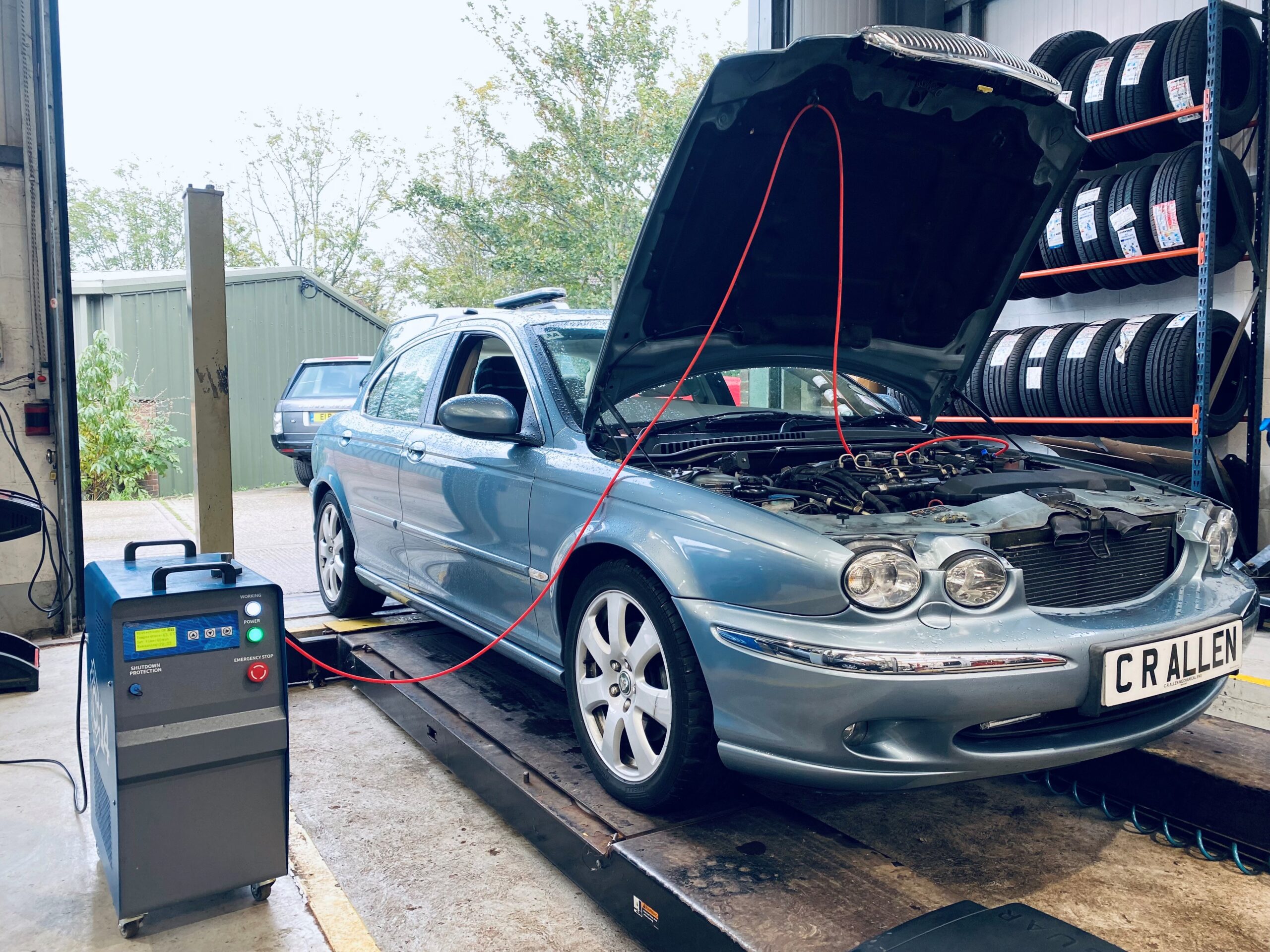
The techniques for carbon cleaning can change, ranging from chemical methods to innovative techniques like hydrogen engine cleaning. Using hydrogen carbon cleaning, in specific, utilizes hydrogen to successfully disintegrate and eliminate stubborn carbon accumulation. This modern method offers multiple advantages, including improved fuel economy and reduced exhaust, making it an attractive selection for a lot of car owners caring about ecological footprint.
Grasping the necessity for engine decarbonization is crucial for the longevity of your automobile. Regular care, including decarbonization, not only assists preserve engine functionality but also staves off pricey overhauls that can happen from overlooked carbon deposits. It is important for both casual motorists and enthusiasts to identify the signals that their motor may need cleaning to ensure their car functions smoothly and optimally for a long time to come.
Benefits and Frequency of Carbon Cleaning
One of the key benefits of engine carbon cleaning is the boost in fuel efficiency. Over time, carbon deposits can build up on critical engine components, causing the engine to work extra and consume more fuel. By eliminating these deposits, carbon cleaning can restore optimal engine performance, leading to superior gas mileage and reduced fuel costs. Many drivers observe noticeable gains in their vehicle's responsiveness and acceleration after a professional carbon clean.
Another important advantage of regular carbon cleaning is the prevention of expensive engine repairs. Carbon buildup can lead to various engine issues, such as misfires, reduced power, and increased emissions. By investing in frequent carbon cleaning, vehicle owners can mitigate these risks, increasing the life of their engine and improving its overall reliability. This proactive maintenance approach can save money in the long run by avoiding more severe problems that result from neglected carbon buildup.
As for how often you should get your engine carbon cleaned, suggestions can vary based on driving habits and the type of fuel consumed. Generally, it's wise to have a carbon cleaning service done every 15,000 to 30K or as needed, particularly for those who regularly drive in stop-and-go traffic or use lower-quality fuels. Paying attention to signs of carbon buildup, such as decreased performance and increased emissions, can also help when to schedule this crucial service. Ongoing carbon cleaning ensures that your engine continues in optimal condition, delivering enhanced performance and lasting reliability.
Do-It-Yourself vs Expert Carbon Cleaning
When it comes to engine carbon cleaning, many car owners might consider trying the task on their own. DIY methods often involve using various fuel additives and carbon-cleaning products available in auto shops. While these products can provide some benefits, they may not be as efficient as expert services. This is largely because DIY solutions generally target only the upper engine components, leaving significant deposits within the combustion chamber or the exhaust system untreated. As a result, while a DIY approach might provide a temporary solution, it may not deliver the thorough cleaning needed for optimal performance.
On the flip side, expert carbon cleaning services utilize advanced equipment and techniques that can reach deeper into the engine. Methods such as hydrogen carbon cleaning are designed to break down and eliminate carbon deposits more effectively than over-the-counter additives. Professional services often include comprehensive diagnostics to gauge the extent of carbon build-up and tailor the cleaning process accordingly. This level of expertise ensures that all critical engine areas are covered, leading to more noticeable improvements in performance and fuel efficiency.
Ultimately, the decision between DIY and professional carbon cleaning should depend on the specific condition of your vehicle and your comfort level with engine maintenance. For high-mileage cars or engines exhibiting significant signs of carbon build-up, it may be more advantageous to invest in a professional service. However, for minor cleaning needs, a DIY approach can suffice. Always consider the long-term health of your engine when making this choice, as failing to adequately clean carbon deposits may lead to more costly repairs in the future.