

As car owners, we frequently consider our vehicles for granted, focusing on routine oil services and tire rotations while neglecting a critical aspect of engine maintenance: carbon buildup. Over time, carbon deposits can accumulate in your vehicle, diminishing performance and efficiency. This is where engine carbon cleaning becomes important, offering a solution that not only restores your vehicle’s vitality but additionally promotes a cleaner environment.
In this article, we will discuss the ins and outs of engine carbon cleaning. We will cover what it is, why it's essential for your car, and key signs that indicate your vehicle might need a carbon clean in the near future. From grasping the science behind hydrogen carbon cleaning to discussing the effectiveness of DIY methods, we’ll lead you through everything you need to know to preserve your car’s power and longevity.
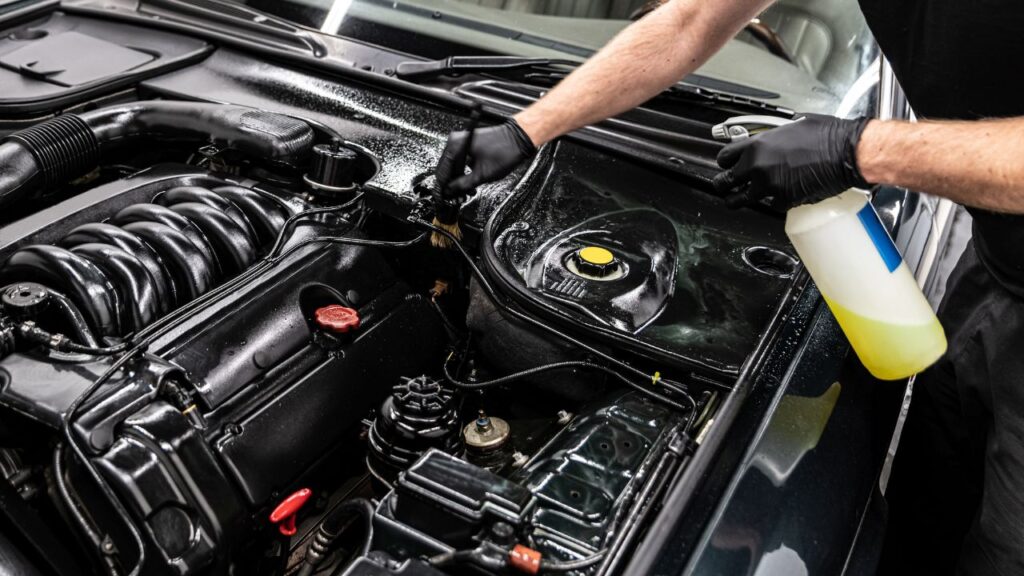
Comprehending Engine Carbon Cleaning
Vehicle carbon deposit cleaning is a method aimed to clear away coke residues that gather within the engine over time. These deposits can build up on multiple parts, including the air intake valves, fuel delivery system, and burning chamber. Carbon buildup is common due to incomplete combustion of fuel, which is a frequent concern in petrol and diesel motors. As such buildups develop, they can result in complications such as lower efficiency, poor fuel efficiency, and increased emissions. Comprehending this procedure is vital for maintaining your automobile's performance and longevity.
One of the best techniques of soot removal from motors involves using hydrogen methods. This innovative approach helps to decompose coke residues without the need for toxic substances. The hydrogen acts as a cleaner during the fire cycle, converting such residues into harmless gases that are released from the engine. This method not only removes soot from the motor but also provides further perks, such as better fuel economy and reduced emissions. By including H2 into the carbon cleaning process, vehicle owners can look forward to a marked increase in their engine's performance.
It is essential for car owners to understand the value of frequent soot cleaning as part of their vehicle maintenance. Neglecting carbon deposits can lead to greater problems down the line, such as ignition issues and costly repairs. As modern engines become more complex, the necessity for effective buildup removal methods becomes even more critical. By staying informed about engine carbon cleaning and its advantages, automobile drivers can make certain their cars operate efficiently and efficiently for the foreseeable future.
Signs Your Engine Requires Attention
One of the initial signs which your engine may need attention is a noticeable decrease in performance. If your vehicle has difficulty to accelerate or feels sluggish, it may indicate carbon buildup interfering with engine efficiency. You may also experience reduced power during acceleration, making it difficult to merge onto highways or climb inclined roads. This lack of responsiveness can be annoying and is often a obvious signal for your engine requires a thorough examination.
Another sign to look out for is changes in fuel efficiency. If you find yourself making more regular trips to the gas station without increasing your driving habits, it could mean how carbon accumulation is affecting your engine’s combustion process. Higher fuel consumption not only affects your wallet but also raises emissions, negatively impacting the environment. Addressing carbon buildup can help restore fuel economy, making your vehicle more economical overall.
Additionally, unusual knocking or pinging noises from the engine can indicate it it needs immediate attention. These sounds often arise from pre-ignition or incomplete combustion due to carbon deposits interfering with the engine's operation. Ignoring these symptoms can lead to more severe engine issues, so it is crucial to investigate any abnormal sounds promptly. Regular maintenance, including engine carbon cleaning, can alleviate these problems and ensure your engine runs smoothly.
Benefits and Considerations of Carbon Cleaning
Engine carbon cleaning provides numerous important advantages that can enhance vehicle performance. One of the primary benefits is enhanced fuel efficiency, as eliminating carbon deposits allows the engine to operate more smoothly and effectively. This improved airflow and combustion lead to increased mileage and lower fuel costs, making carbon cleaning an worthwhile option for car owners looking to save money in the long run.
Furthermore advantage is the potential for greater engine longevity. By removing harmful carbon build-up, the cleaning process can lower wear and tear on engine components, ultimately leading to a longer lifespan for the car. Moreover, cleaner engines generally produce fewer emissions, contributing to a cleaner environment and ensuring compliance with emissions regulations, which is increasingly important for modern vehicles.
On the other hand, there are factors to keep in mind. While carbon cleaning can produce positive results, it is crucial to select a reputable service provider to avoid potential risks associated with improper cleaning methods. Additionally, some cars may need more frequent cleaning based on driving conditions and maintenance habits. Therefore, Have a peek at this website is crucial for car owners to consider the benefits against potential costs and research thoroughly before scheduling an engine carbon cleaning service.