

As homeowners desire efficient and sustainable solutions for controlling indoor temperatures, heat pumps have emerged as a preferred choice for all-season comfort. These versatile systems not only offer heating in the colder months but also chill your home during warmer seasons, thus creating them an attractive alternative to traditional heating and cooling systems. With the persistent discourse about climate change and rising energy costs, many are wondering if heat pumps are the future of home heating and cooling, especially as technology continues to evolve.
In this comprehensive guide, we will examine everything you need to know about heat pumps, from their effectiveness versus conventional HVAC systems to the various types available, such as air source and ground source heat pumps. We will address common concerns, installation guidelines, and maintenance tips to guarantee you maximize the lifespan of your system. If you are thinking about making the switch or merely want to learn more, our insights will guide you understand the true benefits of heat pumps and how they can enhance your home's comfort while adding to a healthier environment.
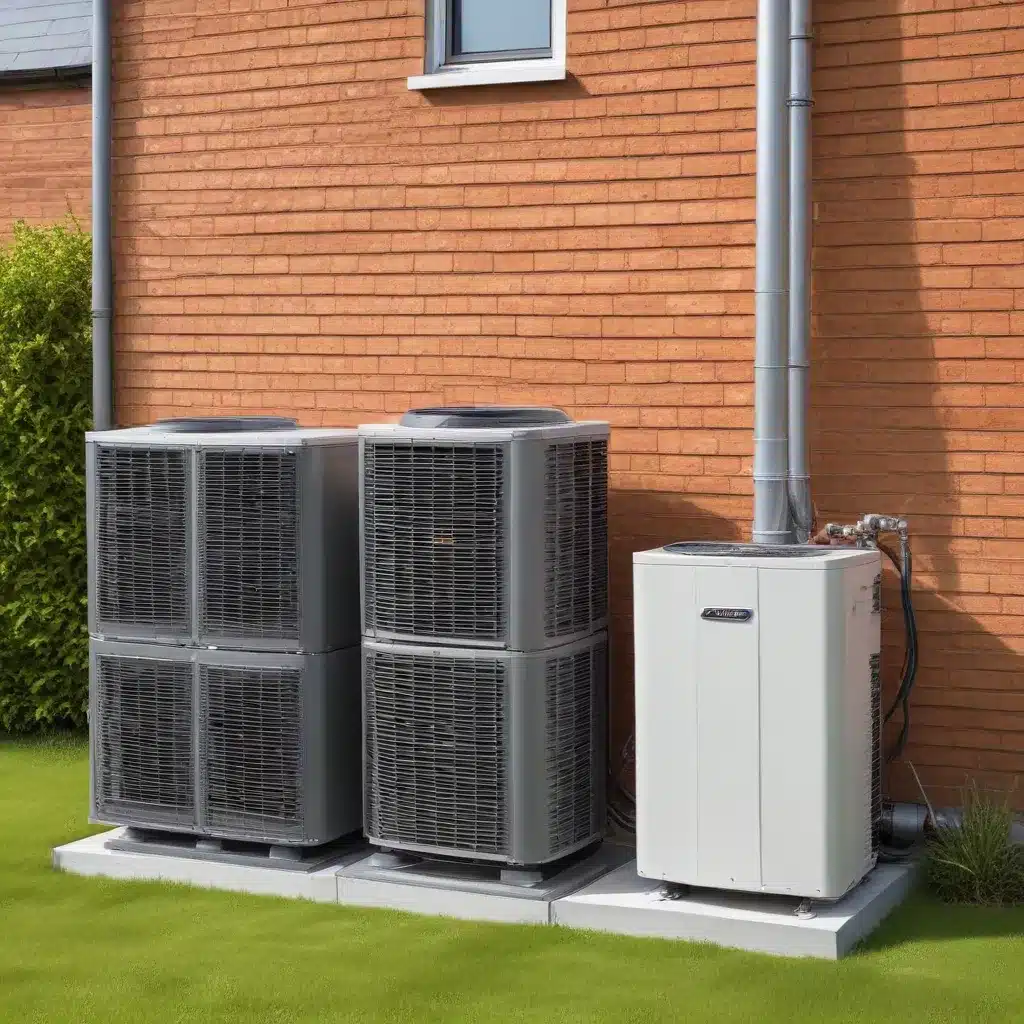
Understanding Heat Pump Systems and Their Effectiveness
Heat pumps are an cutting-edge technology that can simultaneously warm and cool your house by transferring heat rather than producing it. During winter months, they extract heat from the outside air or ground and move it into your home. In the summer, they work in reverse, removing heat from your house and discharging it outside. This two-in-one feature makes them a flexible option for seasonal climate control, attractive to homeowners in search of efficiency.
When assessing the efficiency of heat pumps, it is important to evaluate their Energy Efficiency Ratio (EER) and Seasonal Energy Efficiency Ratio (SEER). These indices indicate how much cooling or heating is provided per unit of electricity consumed. In contrast to traditional HVAC systems, heat pumps generally use noticeably less electricity, causing lower energy bills and reduced environmental impact. Their performance makes them particularly advantageous in moderate climates where warmth and cooling requirements are equal.
The extended cost savings associated with heat pump installation are significant. While the initial investment may be greater than that of standard climate control systems, the ROI is achieved through lower energy expenses and promised rebates or tax credits. Residents who switch to heat pumps commonly see a significant reduction in their energy use, enhancing the overall efficiency and convenience of their living spaces.
Installation and Care Factors to Keep in Mind
When considering the installation of a heat pump, homeowners should primarily evaluate the kind of heat pump that best fits their residential needs. Aspects such as the size of the home, local climate, and existing heating and cooling systems are significant factors in deciding whether an air source or ground source heat pump is the right choice. A trustworthy heat pump installer can carry out a thoroughly detailed assessment to recommend the suitable size and type, to ensure optimal performance and efficiency. Additionally, proper installation is essential to prevent issues down the road, such as poor performance or repeated breakdowns.
Once put in place, the upkeep of a heat pump is critical to extend its duration and efficiency. Routine service checks can aid identify issues early, preventing high repairs. Homeowners should schedule for routine maintenance, such as cleaning or replacing filters, inspecting the ductwork, and checking refrigerant levels. Adhering to the manufacturer's guidelines can also enhance efficiency and performance, ensuring the system functioning effectively year-round.
It is also essential to teach homeowners about typical issues that may happen with their heat pumps. Knowing how to https://airsourceheatpumpsyorkshire.com/ can conserve time and money. For instance, homeowners should be cognizant of signs of low refrigerant, unusual noises, or a drastic spike in energy bills. Knowledge of factors can lead to quicker resolutions and thoughtful conclusions about whether a repair or an upgrade is warranted. Overall, a proactive approach to both setup and upkeep can greatly improve the gains of having a heat pump system.
Financial and Ecological Advantages
Heat pumps offer substantial financial advantages for homeowners, particularly in terms of efficiency in energy use. By utilizing ambient air or geothermal energy, they require fewer energy to operate compared to traditional HVAC systems. This efficiency translates into lower energy costs, making these systems a cost-effective choice for climate control. Additionally, numerous areas offer incentives and tax credits for installing energy-efficient systems, further enhancing the financial appeal of these solutions.
From an ecological viewpoint, heat pumps are a more sustainable option than traditional heating approaches that rely on non-renewable energy sources. By reducing greenhouse gas output and using renewable energy sources, these systems contribute to a decrease in overall carbon footprints. As an increasing number of homeowners strive to embrace sustainability, the increasing use of these eco-friendly systems is becoming more popular as an eco-friendly solution for maintaining indoor comfort throughout the year.
Investing in a heat pump not only offers short-term economic benefits but also delivers sustained advantages. Their reliability and lower maintenance costs can lead to substantial savings over time. Moreover, the positive environmental impact associated with heat pumps aligns with the increasing focus on eco-conscious living, making it a wise decision for environmentally aware homeowners looking to enhance their heating and cooling systems.