

As soon as the summer heat hits, an efficient AC system is essential; it has become an absolute necessity. Still, the journey to achieving a cool and comfortable home starts before the heat wave hits. Installing an AC system correctly is vital for making sure your system operates efficiently and effectively. From selecting the right type of air conditioner for your area to being aware of the expenses and the advantages of hiring experts, many aspects to think about.
This complete guide, we will cover all the essential information regarding air conditioning installation. Whether you want to add a new AC unit to your residence, upgrade an old system, or navigate the complexities of AC installation for a commercial building, we’ve got you covered. Learn how to choose the right air conditioner, prepare your home for installation, and avoid common mistakes. Once you reach the conclusion of this guide, you will possess the understanding necessary to ensure your AC operates efficiently.
Vital Aspects for AC Installation
When planning for air conditioning installation, one of the foremost considerations is the size of the unit. Choosing the right AC dimension is essential for optimal cooling and energy consumption. An undersized unit will struggle to cool your environment, leading to increased energy bills and strain on the system. On the other hand, an oversized system can lead to frequent cycling, resulting in inadequate humidity control and higher operational costs. Working with a professional to determine the proper size based on your home’s area and thermal efficiency is essential to achieve maximum performance.
Another crucial consideration is the style of system that best suits your requirements. Homeowners often find themselves deciding between central air conditioning and ductless mini-split. Central AC systems are associated to existing ducts, providing consistent temperature distribution throughout the home. On the contrary, mini-splits offer flexible installation options and the capability to control temperatures in different areas. Evaluating the layout of your home, your cost considerations, and your cooling preferences will help in making the best choice.
Ultimately, don’t neglect the value of hiring a experienced installation provider. The installation method significantly impacts the lasting performance of your air conditioning system. A professional installer will ensure that your system is installed correctly, which includes suitable placement, orientation, and adherence to local building codes. Looking into and picking a reputable company with positive reviews can prevent you resources, money, and issues in the long run.
Costs and Financing for Your AC Project
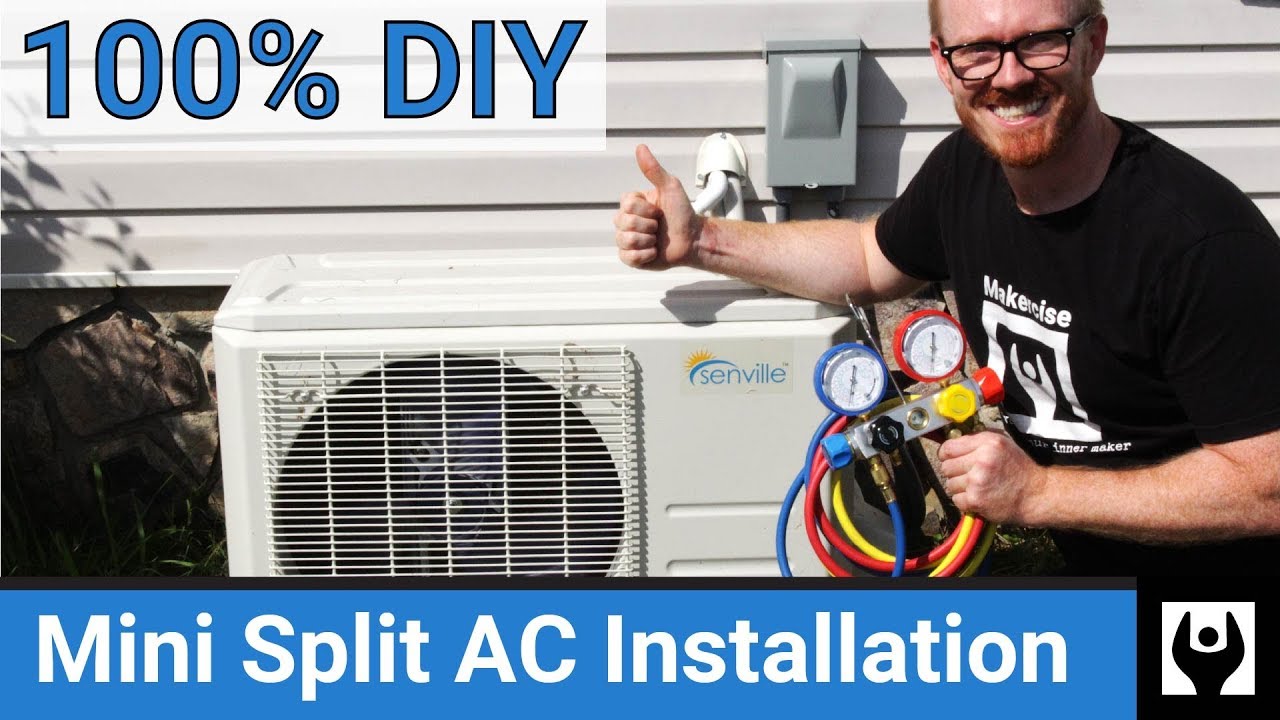
When thinking about air conditioning installation, comprehending the costs involved is important for successful budgeting. The overall price can change significantly depending on various factors including the kind of system, the area of your home, and installation complexity. Typically, central air systems may range from 3,000 to $7,000 dollars, while ductless mini-split systems can run between $2,000 and five thousand dollars or more depending on the count of zones served. It is wise to get multiple quotes from contractors to confirm you are receiving a competitive rate.
Financing options can also play an important role in controlling the expense of an air conditioning installation. Many HVAC companies provide financing plans that let you to pay for the expenditure over time, minimizing the immediate financial burden. Additionally, there are often energy efficiency rebates and programs available through utility companies and government programs that can help offset the initial cost. When exploring financing, it's important to take into account the interest rates and terms to find a plan that fits your affordability without compromising quality.
Lastly, it's crucial to account for long-term expenses associated with energy use. Spending on energy-efficient air conditioning systems can reduce your utility bills dramatically over time. Systems with high SEER ratings are often more expensive upfront but can lead to significant savings through reduced electricity costs. Evaluating these long-term savings along with installation will give a clearer understanding of your potential return on investment, making the decision-making process easier.
Maximizing Effectiveness & Durability of The Air Conditioning System
In order to guarantee the air conditioning system works efficiently and lasts for a long time, regular maintenance is necessary. air conditioning installation Epsom involves replacing or washing the filters at least on a monthly basis, to prevent dust and debris from obstructing airflow. A fresh filter allows the unit to work more effectively, boosting indoor air quality and lowering energy consumption. Furthermore, setting up annual expert check-ups can help detect and address potential issues before they grow worse.
Another important aspect of maximizing the system's performance is maintaining proper insulation and sealing in the home. Gaps and leaks in windows, doors, and ducts can cause significant energy loss, making the air conditioner work more to achieve the preferred temperature. Fixing these areas will enhance overall energy efficiency, lower utility bills, and provide consistent comfort throughout the home.
Lastly, consider investing in smart technology, such as programmable or smart thermostats. These devices allow for more precise temperature control and can learn the living patterns to optimize both comfort and energy savings. With maintenance, sealing your home, and using smart technology, you will extend the lifespan of the air conditioning system and have a more efficient cooling experience.