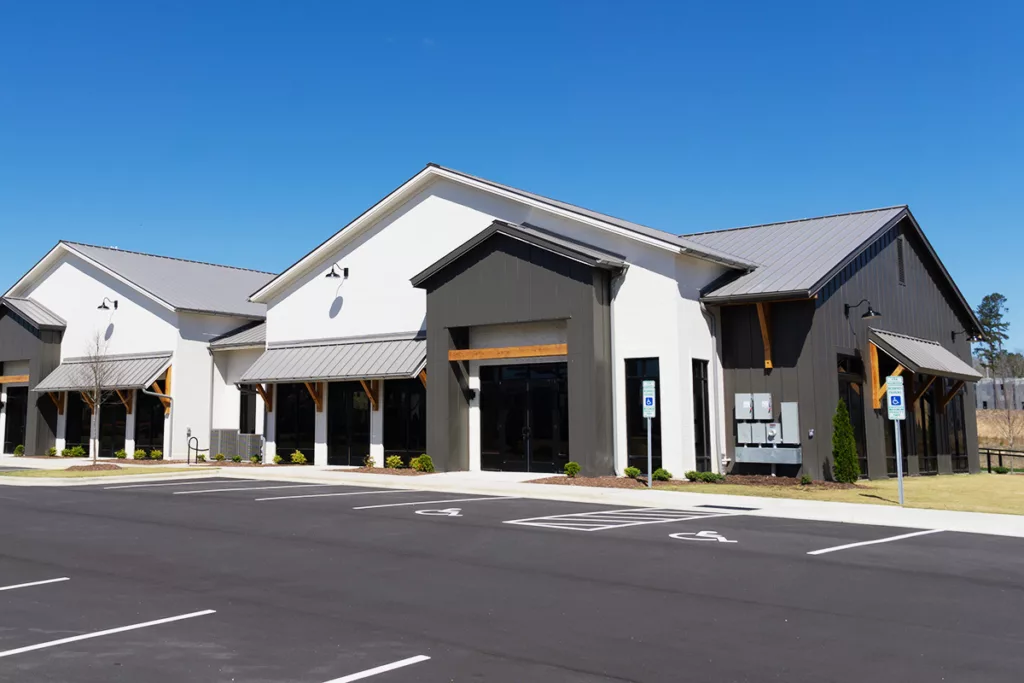
In the dynamic world of commercial projects, achieving a perfect finish with paint spraying can significantly enhance both appearance and usability. Whether it’s a distribution center, shopping area, or industrial facility, the correct techniques and tools are essential for delivering outcomes that meet the high standards expected in business settings. Understanding the details of industrial paint spraying not only improves the comprehensive appearance of the space but also plays a critical role in effectiveness, safety, and cost-effectiveness.
As organizations strive to minimize downtime and maximize impact, the techniques applied in paint spraying can make all the difference. This article will discuss the leading five techniques to ensure your commercial paint spraying projects are executed perfectly, focusing on effective strategies that can elevate your outcomes and keep your business efficient. From choosing the appropriate spray system to perfecting surface preparation, we will explore the approaches that lead to effectiveness in business painting endeavors.
Benefits of Commercial Paint Spraying
Commercial paint spraying offers notable benefits for extensive jobs, ensuring efficiency and top-notch outcomes. One of the chief benefits is the quickness at which surfaces can be coated. Compared to https://posteezy.com/transformation-spray-paint-business-uses , spraying applications allow for quicker task completion, minimizing disruption to commercial operations. This is particularly important for commercial settings where idle time can lead to lost revenue. The ability to rapidly paint spacious areas means that projects can be completed in a more concise time frame, allowing for quicker reuse of the area.
In addition to efficiency, commercial paint application provides a smooth finish that is often difficult to achieve with brush or rollers. The spraying application creates an even coat without the streaks or brush marks that might result from manual methods. This is vital for enhancing the visual appeal of business properties, such as shopping spaces and workplace buildings, where initial impressions matter. A professional spray finish also improves the longevity of coatings, leading to more enduring finishes that can resist daily wear and tear.
Another important benefit of commercial paint spraying is the variety of paint choices and methods available. Various spray systems, such as compressed air and high volume low pressure, can be used to achieve the desired look and performance for different surfaces and settings. This flexibility allows contractors to choose the right equipment and eco-friendly paint choices to meet particular project requirements. Consequently, companies can improve their interiors and outside areas while complying to regulations and eco laws, making business paint spraying a wise choice for contemporary undertakings. Choosing the Appropriate Spray Application
Selecting the right spray system is crucial for attaining optimal results in commercial paint spraying projects. Grasping the differences between airless and HVLP (High Volume Low Pressure) systems can assist in making an informed decision. Airless systems are known for their capability to cover large areas quickly, making them perfect for big industrial jobs or warehouses. On https://rentry.co/o9s5rt72 , HVLP systems provide finer control and are less likely to produce overspray, which is beneficial for detailed work or when painting in sensitive environments such as schools or hospitals.
When considering efficiency and the type of surface being painted, the choice of spray system can significantly impact overall project timelines. Airless sprayers can handle thicker paints and coatings, allowing for quicker application but may require more skilled operators to avoid issues like uneven finishes. HVLP systems, while slower, demand less physical effort and can be simpler to manage, reducing the fatigue that can come from long hours of spraying. Selecting the right system based on these factors can enhance both efficiency and finish quality.
Additionally, it's important to assess the intended use of the painted surface. For instance, industrial facilities might benefit from the robust application capabilities of airless systems, while retail spaces may require the precision offered by HVLP for a perfectly smooth and attractive finish. Ultimately, the right spray system will depend on the specific requirements of the project, including the scale, surface type, and desired finish, ensuring outstanding results in every commercial paint spraying endeavor.
Top Techniques for Perfect Results
Achieving a flawless result in commercial paint spraying begins with careful surface preparation. This step is critical, as any flaw on the surface can lead to a less than perfect outcome. Make sure surfaces are prepared, fixed, and prepared appropriately. Remove dust, grease, and additional contaminants that might affect adhesion, and check for any irregularities that need smoothing. Properly primed surfaces not only enhance the paint’s appearance but also prolong its life, making the initial effort worth it.
Choosing the right spray system greatly helps to achieving a perfect finish. Airless and HVLP (High Volume Low Pressure) systems each have their advantages depending on the project requirements. Airless sprayers are ideal for large areas due to their speed and efficiency, while HVLP systems are better suited for detailed work and lower material consumption. Knowing the environmental conditions and the type of paint in use will help in making the best choice for the job, guaranteeing an even and professional application.
Finally, applying the paint at the correct angle and distance is crucial for consistency in coverage. Keep a steady hand and guide the sprayer in smooth, continuous motions to prevent runs and drips. Using a systematic approach, such as spraying in overlapping passes, allows for better blending and a uniform finish. Regularly inspect the work as you go to perform adjustments as necessary, ensuring that all parts of the surface receives even treatment for a truly flawless look.