

Installing an air conditioning system is a significant home improvement project that can substantially boost your well-being during the warm summer season . If you are upgrading a dated air conditioning unit or delving into the realm of AC for the initial time , comprehending the installation process can make a huge impact . This manual will lead you throughout the essential steps and aspects needed to guarantee a successful and successful installation .
From spotting the signals that it may be time for a new air conditioning system , to examining your alternatives between whole-house air conditioning and ductless systems , we aim to arm you with the understanding necessary for making informed decisions . You will find out how to pick the best air conditioner for your house , the associated costs , and the merits of hiring professionals . Come with us as we demystify the air conditioning installation process and guide you build a chillier , cozier living environment .
Choosing the Best Air Conditioner
Selecting the best air conditioner for your house is crucial for ensuring optimal comfort and energy efficiency. Begin by thinking about the size of your area. An air conditioner that is too small will find it hard to lower the temperature of your home, while one that is too large can lead to unnecessary energy use and inefficient humidity control. To find the right size, assess the square footage of the area you want to chill and use this data to find the correct British Thermal Units (BTUs) needed for effective air conditioning.
Afterward, evaluate the type of air conditioning system that most suits your habits and home layout. Central air systems are ideal for larger homes with existing ductwork, providing uniform climate management throughout the space. On the other hand, ductless mini-split systems offer flexibility and energy efficiency for homes without ducts or for specific areas that require individualized climate management. Assessing your home’s structure will assist you in determining which option is better for your needs.
In conclusion, consider additional features that can enhance your air conditioning experience and offer energy efficiency. Seek out units with high Seasonal Energy Efficiency Ratio (SEER) ratings, which indicate better efficiency and lower utility bills. Smart thermostats and programmable settings can even enhance your cooling system, allowing for greater control over temperatures and schedules. By considering these factors meticulously, you can make an educated decision that will provide satisfaction and efficiency for years to come.
Getting Ready for Installation
Before your air conditioning setup begins, it's crucial to prepare your home to guarantee a hassle-free process. Start by clearing the area surrounding the setup site. This includes clearing out any furniture, toys, or obstructions from around walls and windows where the unit will be installed. If your new air conditioner requires ductwork, make sure entry to the attic or crawl spaces is unblocked as well. Taking More helpful hints will make it easier for the technicians to work efficiently.
Next, consider notifying the neighbors about the installation. Air conditioning setup can sometimes be loud, and the neighbors will appreciate a heads-up about any noise expected during the installation. Additionally, if you have any pets, consider keeping them in a separate area of the home distant from the installation site. This will help keep them safe and at ease and allow the installers to focus on their work without distractions.
Finally, review any preparation guidelines provided by your installation company. They may have specific advice tailored to your new unit, such as adjusting the thermostat settings or ensuring electricity is available at the installation site. Following these instructions will help make the installation process smoother and set the stage for the optimal performance of the new air conditioning system.
Expenses and Funding Choices
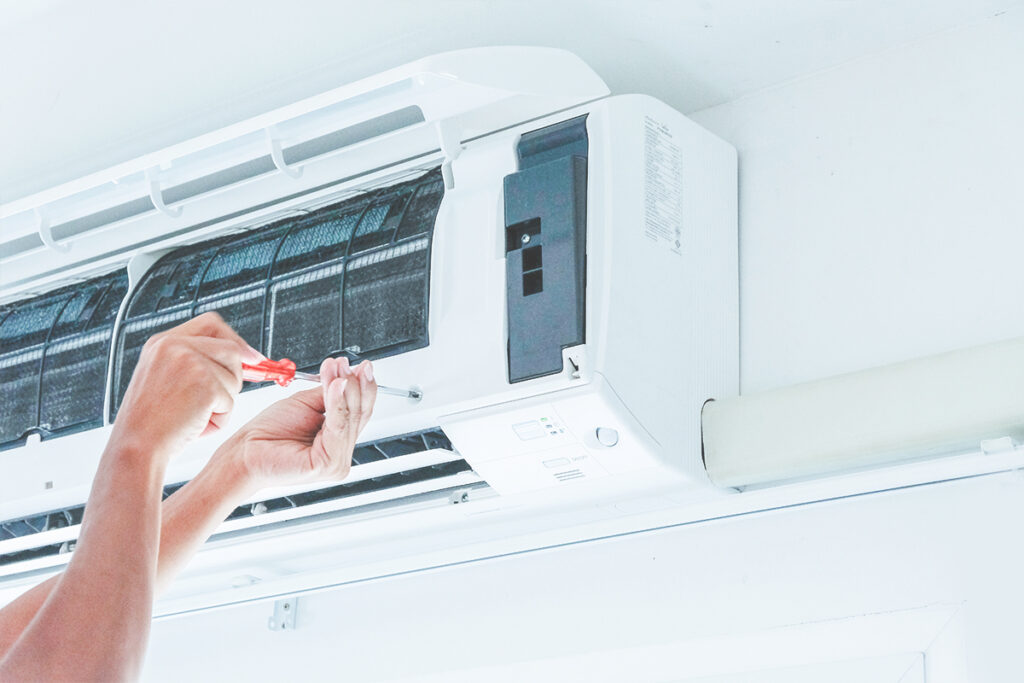
The cost of air conditioning installation can differ significantly depending on various factors including the kind of unit you decide on, the square footage of your house, and the difficulty of the installation. On average, residents can expect to invest anywhere from $2,000 to eight thousand dollars for a new installation, including the combination of materials and work. Ductless mini-split systems might be on the cheaper end of that spectrum, while central air conditioning can be priced at significantly more. It's essential to get multiple bids from licensed contractors to compare costs and options.
Payment alternatives are often available for homeowners looking to set up a new air conditioning system. Many heating, ventilation, and air conditioning companies have financing options or loan programs that can make a new installation more feasible monetarily. Additionally, some property owners may think about taking out a home improvement loan or using plastic to pay for the costs. It is advisable to explore all potential funding options, including any energy efficiency discounts or programs that may be offered by community utilities or government programs, which can assist offset the setup expense.
When planning for your air conditioning installation, it's sensible to budget not only for the initial expenses but also for continuous maintenance and energy expenses. Energy-efficient units may have a increased initial expense but can lead to substantial savings on energy costs over time. By investing in a high-quality installation and ensuring appropriate fitting, you can enhance your home's comfort and appraisal while minimizing future operational bills. It's important to analyze your funds and payment alternatives carefully before proceeding with an installation process.