

When it comes to home maintenance, one area that often gets overlooked is the basement space. Typically used for storage and neglected, can become a hotspot for dampness and structural issues if not taken care of. As house owners, the last thing we want is to deal with the results of a flooded basement or the high costs associated with moisture issues. Hence, learning about efficient waterproofing methods for basements is crucial for safeguarding our properties and providing a safe, dry environment.
In this comprehensive guide, we will examine the different facets of basement protection, including signs that indicate your basement needs immediate attention, the differences between interior and exterior waterproofing methods, and how these approaches can significantly increase your house value. From common causes of basement leaks to practical DIY tips, we'll offer crucial information to help you understand basement waterproofing. Whether you are coping with an vintage property or planning new construction, this resource will provide you with the essential information to face the weather and protect your basement efficiently.
Grasping Basement Waterproofing
Cellar waterproofing is a crucial aspect of home maintenance that protects your property from flooding problems. Water leakage can lead to a multitude of issues, such as physical deterioration, fungal growth, and decreased indoor air quality. Comprehending the basics of basement waterproofing enables property owners make wise choices to keep their basements water-free and secure.
There are various methods of cellar moisture protection, ranging from interior solutions like waterproofing agents and pumping systems to outdoor techniques such as water diversion systems and excavation. Every method has its pros and is suited for specific situations. Homeowners must assess their specific needs, taking into account factors like the surroundings, soil characteristics, and existing drainage capabilities to choose the most effective moisture control method.
Furthermore, recognizing the warning signs that your basement requires waterproofing is crucial. Issues like moisture on walls, a musty smell, and mold presence can indicate a moisture issue. By being observant and handling these concerns promptly, property owners can not only protect their living spaces but also increase the total worth of their property through successful moisture control strategies.
Key Waterproofing Strategies
One of the best waterproofing methods entails the use of a high-quality interior coating. Interior sealants form a barrier against water, assisting to avoid water from seeping through partitions and floors. This method is particularly helpful for small leaks and dampness, providing an easy option for homeowners looking to upgrade their basement conditions. Using these sealants before any apparent signs of water damage can also act as a premeditated measure, ensuring the basement moisture-free and protected.
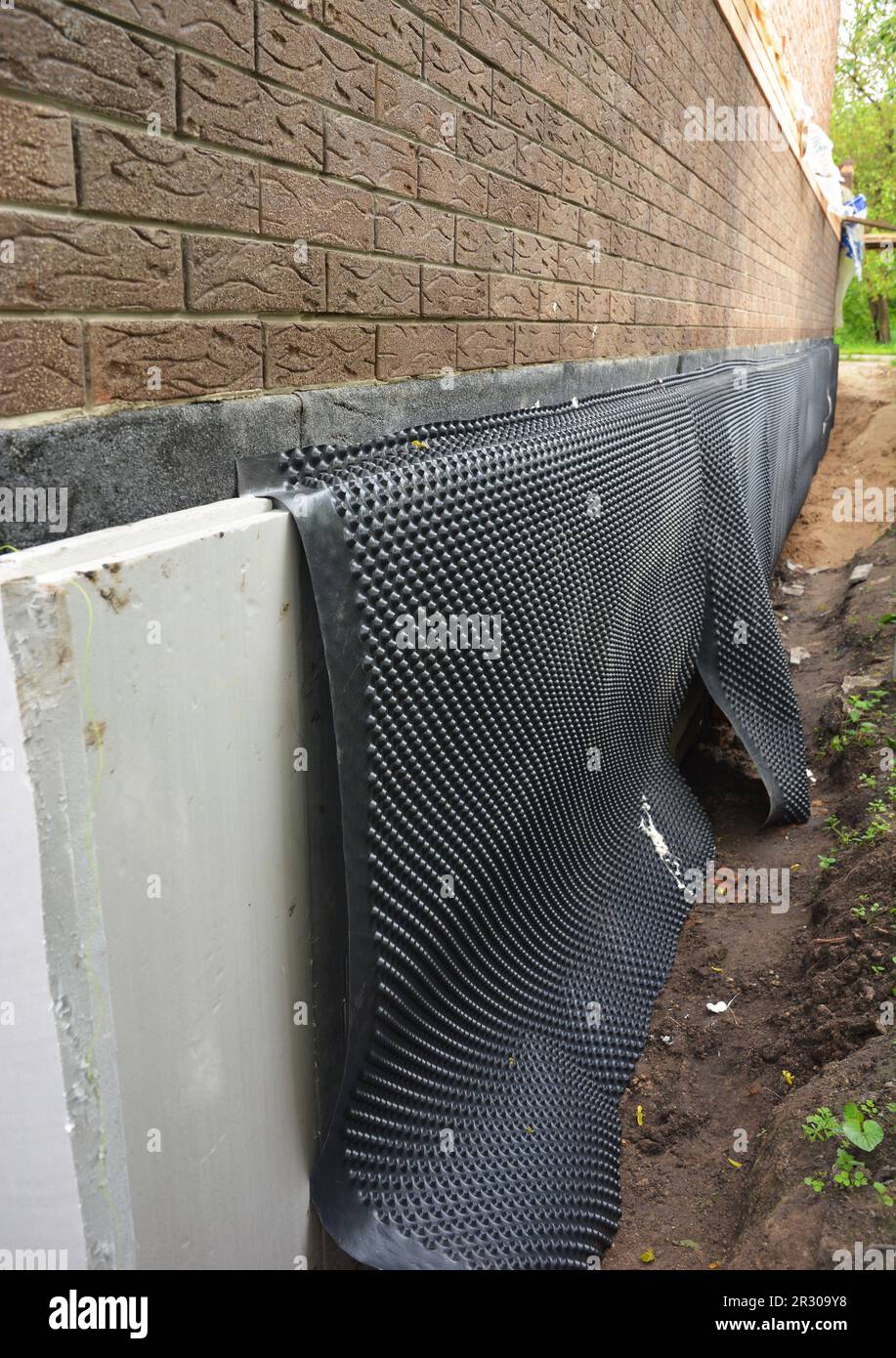
Another important technique is the setup of a correct drainage system. French drains and sump pumps are vital components of outside waterproofing solutions. https://aluneed.ca/ from the structure, preventing pooling around the property. Sump pumps serve as a final safeguard, with automatic removal of any water that may collect in the basement. By guaranteeing effective drainage, these installations work to keep a dry living space in the basement.
Finally, ensuring the upkeep of a waterproofing system is essential for long-term effectiveness. Regular inspections and maintenance can uncover potential issues ahead of they worsen. Homeowners should check rain gutters and drainage pipes, making sure they are functioning well to redirect water away from the home. By merging effective sealing, proper drainage, and diligent maintenance, homeowners can develop a robust waterproofing plan that enhances the life span and livability of their basements.
Choosing the Best Options
Selecting the optimal options for basement waterproofing can be challenging, given the multitude of options available. Homeowners should start by evaluating the particular issues they are dealing with, such as moisture intrusion, dampness, or mold growth. It's crucial to comprehend the root factors of water intrusion by identifying issues like drainage problems or cracks in the structural base. Knowing the main cause allows for a more informed selection between interior and external waterproofing methods.
Once the issues are clear, homeowners can review various waterproofing methods. Internal options may include putting on coatings, placing sump pumps, or utilizing drainage solutions such as drainage tiles. On the other hand, exterior approaches typically involve excavating around the foundation, putting on waterproof coatings, and enhancing land grading. Each method has its benefits and drawbacks, so it's vital to consider the effectiveness against cost and the durable advantages to ensure the selected solution aligns with the goals of protecting the home.
Finally, collaborating with experienced contractors specializing in waterproofing can provide critical information. They can help determine the most suitable strategy customized for the distinct conditions of the space and the home's design. This teamwork not only leads to better choices but also provides the application of the most suitable waterproofing measures to keep your basement moisture-free and preserve your home’s base in the future.